
 01543 675474


In a world where people browse the internet on everything from widescreen monitors to smartphones, designing a website that works across all devices is more important than ever. That’s where responsive web design comes in.
What Does Responsive Web Design Mean?
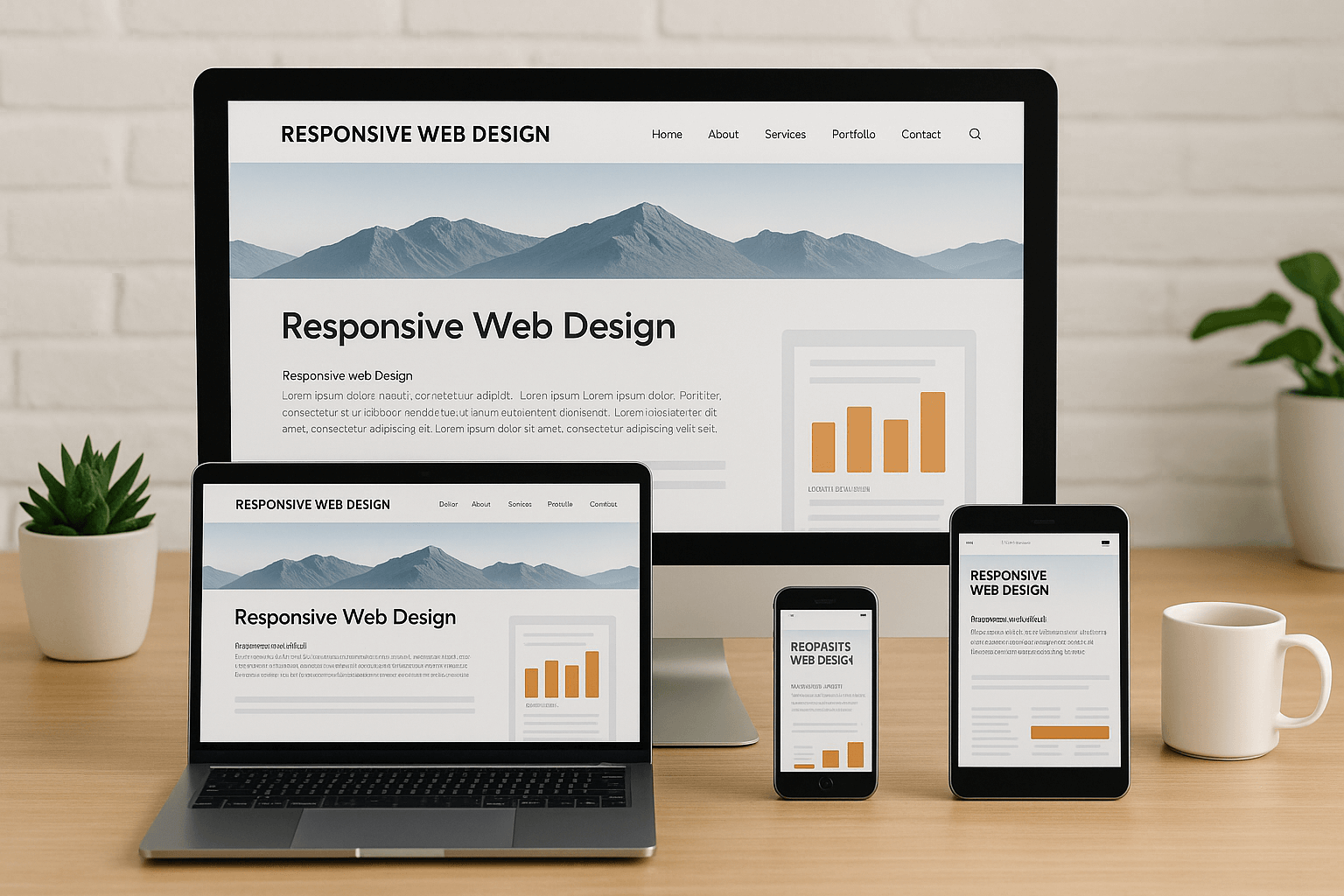
Responsive web design is a method of building websites that automatically adjust their layout, content, and functionality to suit the device being used. Whether someone visits your site from a smartphone or a widescreen desktop monitor, a responsive site adapts to provide an optimal viewing experience.
That means:
- No need to pinch or zoom on a mobile device.
- Images scale appropriately to screen size.
- Navigation stays user-friendly across devices.
- Load times are optimised without compromising design.
The Core Idea Behind Responsive Design
Responsive web design is built on the idea that websites should adapt to the way people access them — not the other way around. Whether someone is viewing a site on a phone, tablet, laptop, or widescreen monitor, the layout should shift to suit the screen.
This adaptability is made possible through two key techniques:
- CSS media queries, which apply different style rules based on screen size, orientation, or resolution. For example, a three-column layout on desktop might collapse into a single column on a smartphone, making the content easier to scroll and read.
- Scalable content elements, such as flexible images and containers that can resize without breaking the page. These elements naturally adjust within their space, allowing the overall layout to remain balanced.
Instead of designing separate versions of a website for every device, responsive design creates one system that responds intelligently across the board. The result is a site that looks good and functions well, no matter where or how it’s being viewed.
Why Is Responsive Web Design Important?
Responsive web design isn’t just a technical improvement — it’s a direct contributor to how users interact with your business online.
1. Mobile Usage Is the Norm
More than half of global web traffic comes from mobile devices. If your site isn’t easy to use on a phone, visitors are likely to leave before they’ve even read what you offer. Responsive design reduces that risk by adjusting your layout to fit smaller screens intuitively.
2. Google Favors Mobile-Friendly Sites
Google’s algorithms now use mobile-first indexing. This means Google predominantly uses the mobile version of a website to evaluate content and rank it in search results. A non-responsive website can suffer in rankings, losing visibility and organic traffic.
3. A Single Website Is Easier to Manage
Rather than maintaining separate desktop and mobile versions of your website, responsive design gives you one site to update. This keeps things more efficient in the long run — for both SEO and ongoing content changes.
4. Improved User Experience
A well-built responsive site feels natural. Users don’t have to pinch-zoom, scroll sideways, or search for hidden menus. When navigation is intuitive, people are more likely to stay, engage, and convert.
Common Misconceptions About Responsive Web Design
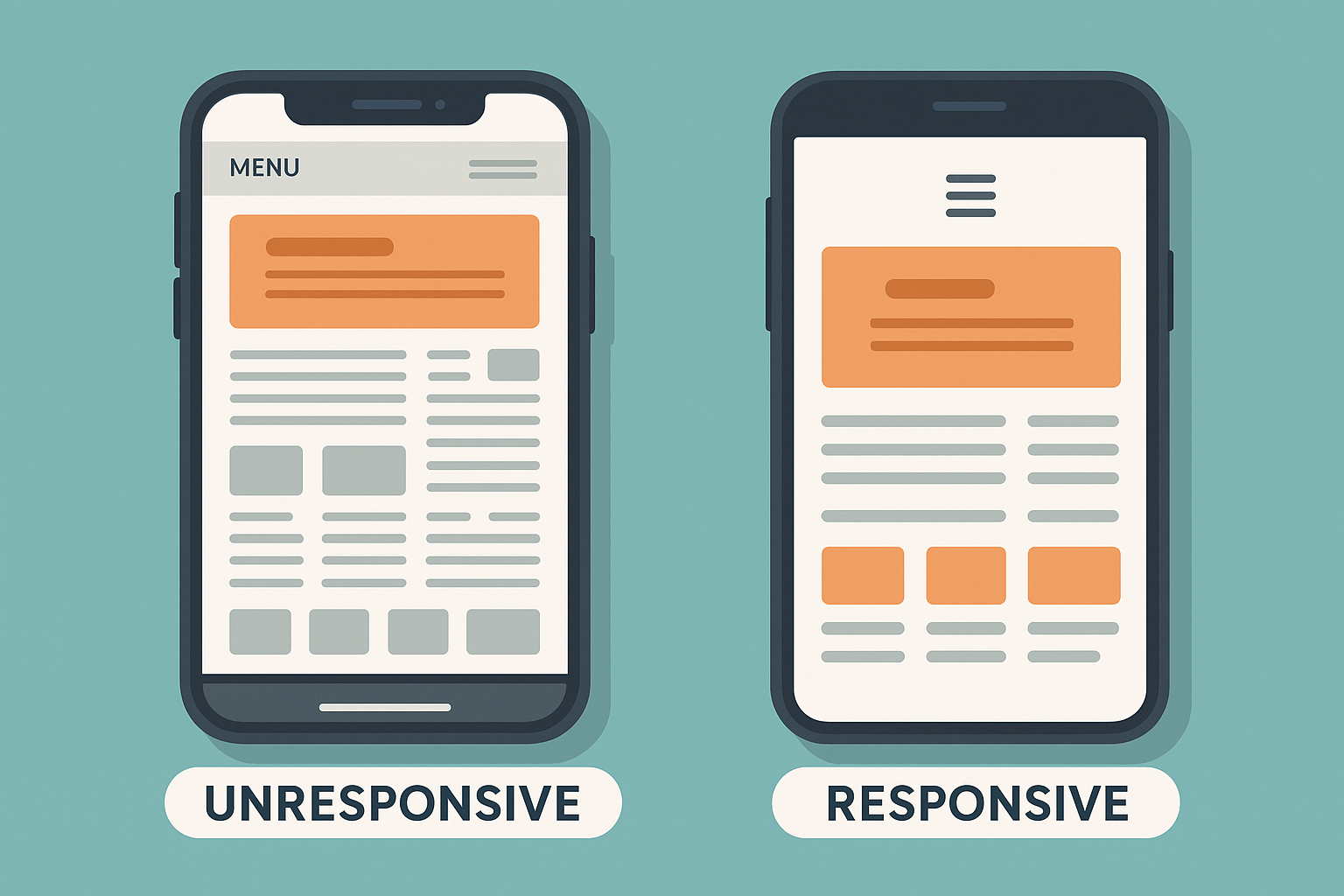
One common myth is that responsive sites are just about shrinking content to fit a smaller screen. In reality, responsive design goes beyond size adjustments. It rethinks content hierarchy, navigation flow, and user goals across devices.
Another misunderstanding is assuming that any site that looks okay on a phone is responsive. Many older sites may technically display on mobile but lack touch-friendly menus, readable fonts, or functional buttons. True responsiveness considers usability just as much as layout.
Ready to Make Your Website Work Everywhere?
If your current website doesn’t adapt to mobile or leaves users frustrated on tablets or smaller laptops, it might be time to consider a change. Responsive web design isn’t just about how your site looks — it’s about how people use it, how they feel while navigating it, and whether they come back.
Whether you’re starting fresh or looking to update your existing site, a responsive design is no longer optional — it’s expected. Learn more about what we offer through our Web Design service, which put usability and adaptability at the core of every build.
Let’s talk about making your website work better for everyone. Reach out today and see how responsive web design can support your business goals across every screen.